
Herd health basics that protect your sale value
VOREXA Team · 17 July 2026
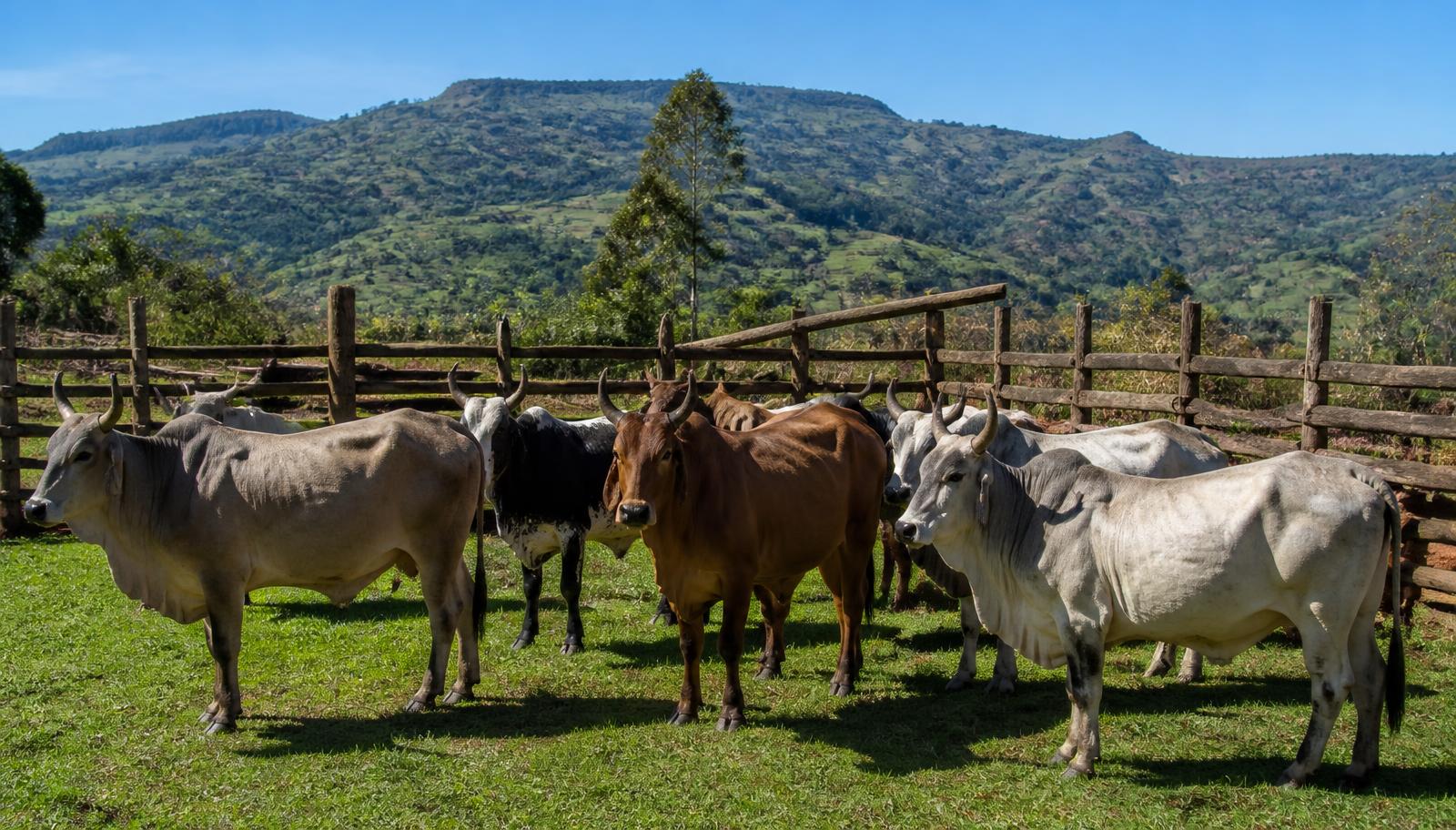
Vaccination records, body condition and transport care are the first things a serious livestock buyer looks at.
When a buyer inspects cattle or goats, the assessment happens in the first few minutes and it is mostly visual. Preparing for that inspection begins months earlier.
Keep written vaccination and treatment records. Even a simple notebook with dates, the product used and the animals treated raises confidence and shortens negotiation. Buyers supplying institutions and processors increasingly ask for it.
Body condition matters more than raw weight. An animal in steady, even condition signals consistent feeding and low disease pressure. Sudden finishing in the last two weeks before sale is usually visible and rarely rewarded.
Watch hooves, eyes and coat. Lameness, discharge and a dull coat all suggest problems the buyer will have to manage after purchase, and the offer will reflect that.
Transport is where value is most often lost. Animals moved in overcrowded vehicles, without water, or in the hottest part of the day arrive stressed and score poorly on arrival. Load early, avoid mixing unfamiliar groups, and allow rest before inspection.
If you are unsure about a health issue, involve a veterinary officer before offering the animals for sale rather than after.